A Body With No Name
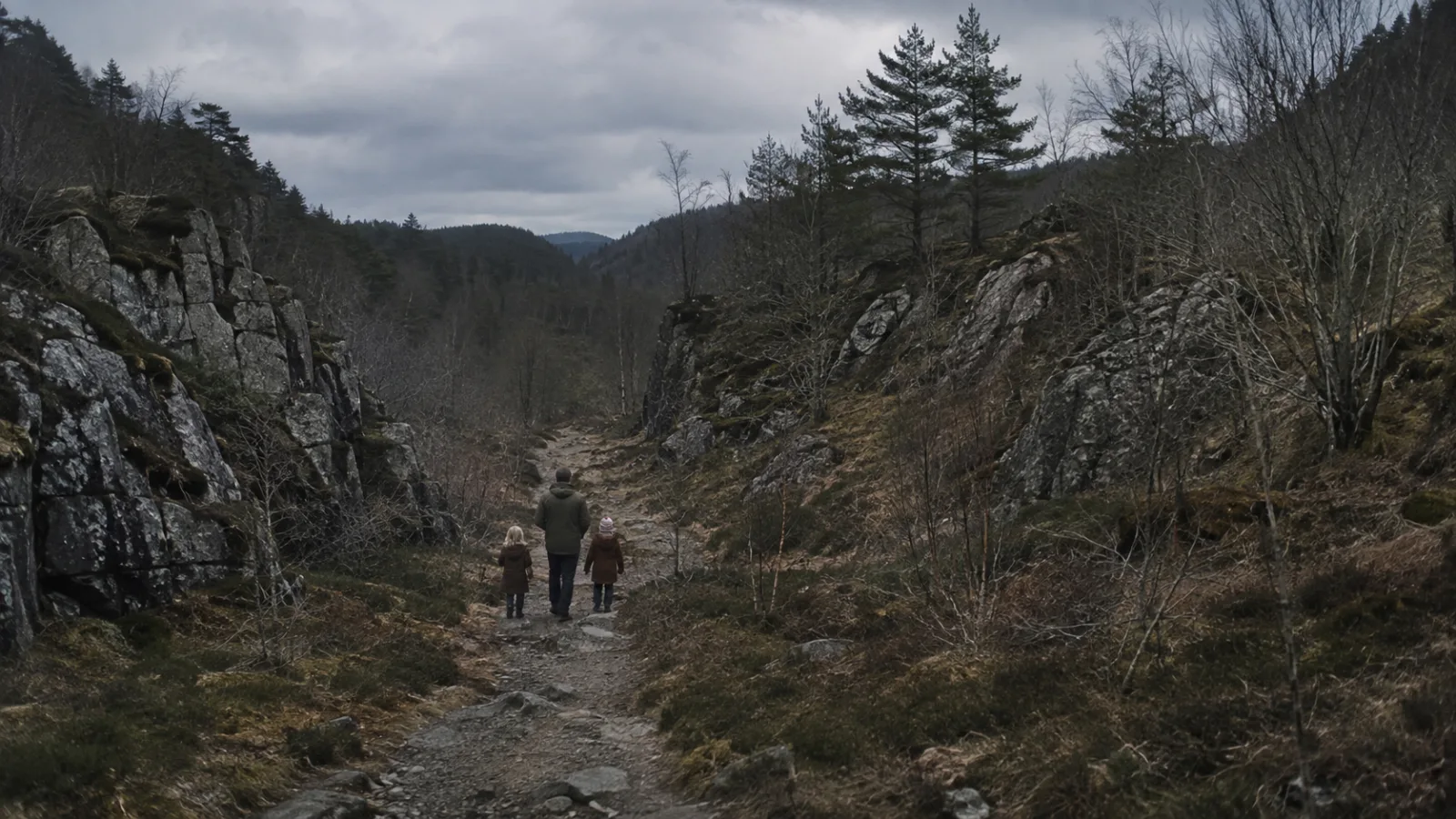
On the twenty-ninth of November, 1970, a father and his two young daughters were hiking through Isdalen — Ice Valley — a rocky, wooded ravine on the outskirts of Bergen, Norway. It was a place locals used for walking, not for finding bodies. That morning, tucked among the stones, they found one anyway.
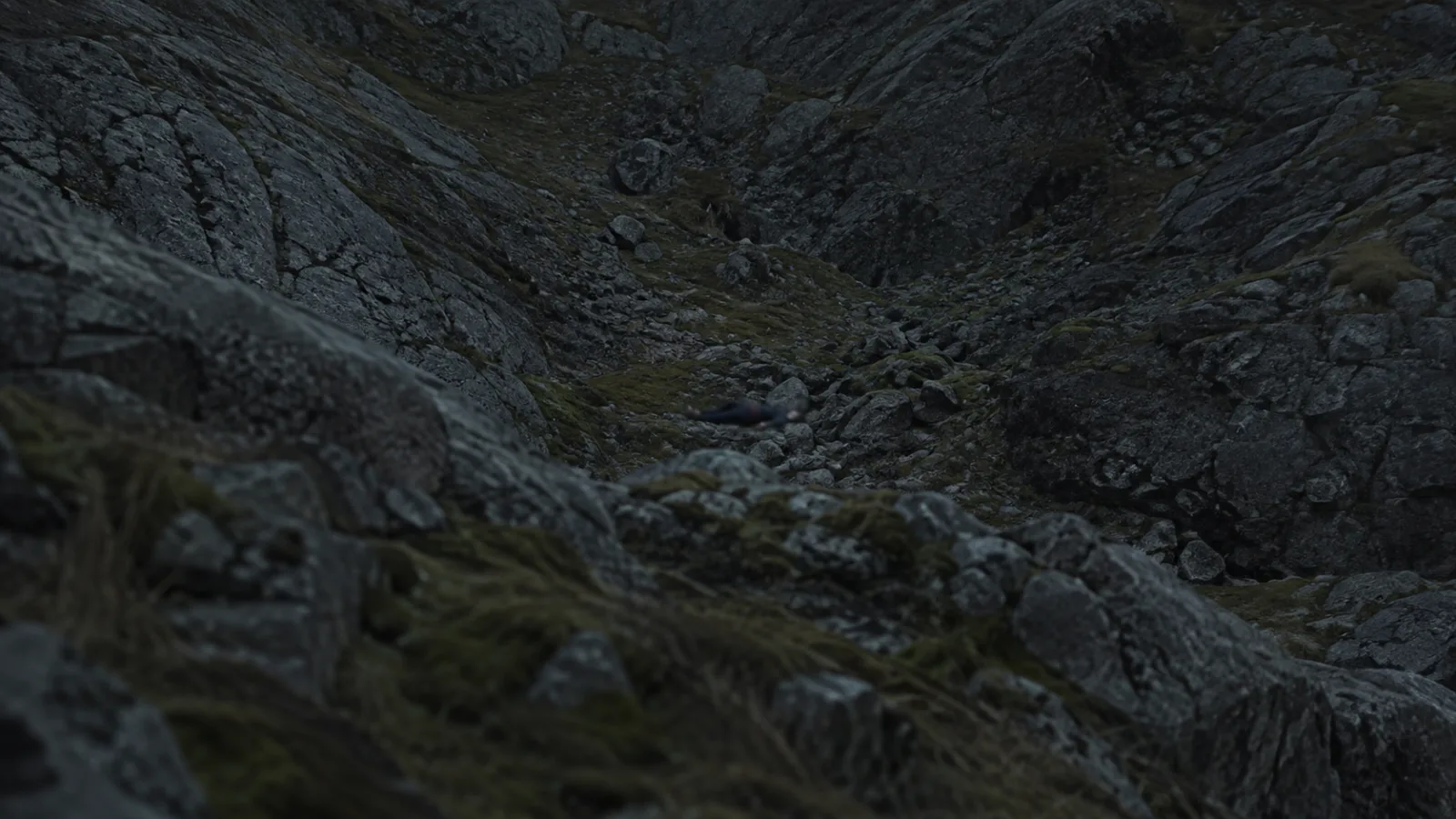
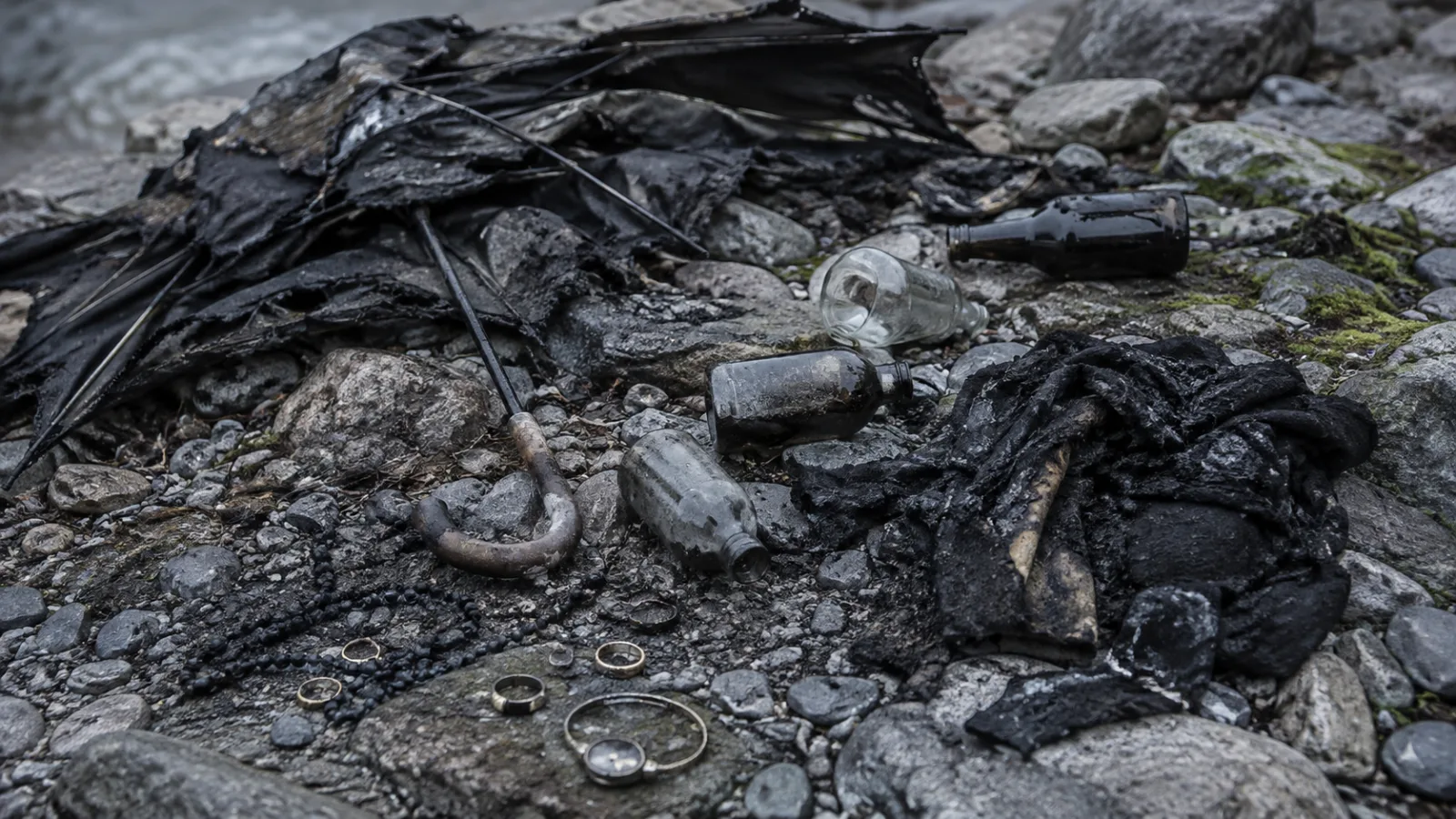
The woman was badly burned, almost unrecognizable. Scattered around her were bottles, burned clothing, an umbrella, jewelry, a watch, and several small objects stripped of anything that might identify their owner. There was no wallet, no passport, nothing to say who she was or why she had come to this isolated valley.
The most revealing evidence wasn't found beside her body at all. It surfaced three days later, inside two suitcases abandoned at Bergen railway station — and what was inside would turn what looked like a tragic death into one of the strangest unsolved mysteries of the Cold War.
As investigators pulled at the threads of her identity, those threads didn't lead to one life. They led to many: multiple names, multiple claimed nationalities, hotel rooms across Europe paid for in cash, clothing labels removed, identifying marks scraped away, wigs, foreign currencies, and a coded record of her movements across the continent.
More than fifty years on, she has never been conclusively identified — not her name, not her nationality, not why she traveled under so many identities, and not, even now, a definitive answer for how or why she died. The world knows her only by the place her body was found: the Isdal Woman.
What the Body Revealed
A forensic examination determined the victim was an adult woman, most likely in her thirties. The autopsy found she had swallowed an enormous quantity of phenobarbital sleeping tablets, many not yet fully absorbed into her system. The official cause of death combined heavy barbiturate intoxication with carbon-monoxide poisoning from the fire.
One detail made the circumstances especially disturbing: investigators found soot inside her airways. She had been breathing when the fire began. Whether she swallowed the tablets voluntarily, was pressured into taking them, or was given them by someone else could not be determined.
Investigators also documented bruising around her neck. It might have come from a fall, or from a blow delivered by another person — the condition of the body made it impossible to say with certainty.
Despite the fire damage, investigators recovered her fingerprints, which would soon connect her to a stranger collection of evidence. Forensic dentists also noted distinctive dental work more consistent with continental European dentistry than with methods common in Norway or Britain at the time — one small physical clue in a case about to become almost entirely about the impossibility of pinning down an identity.
The Suitcases at Bergen Station
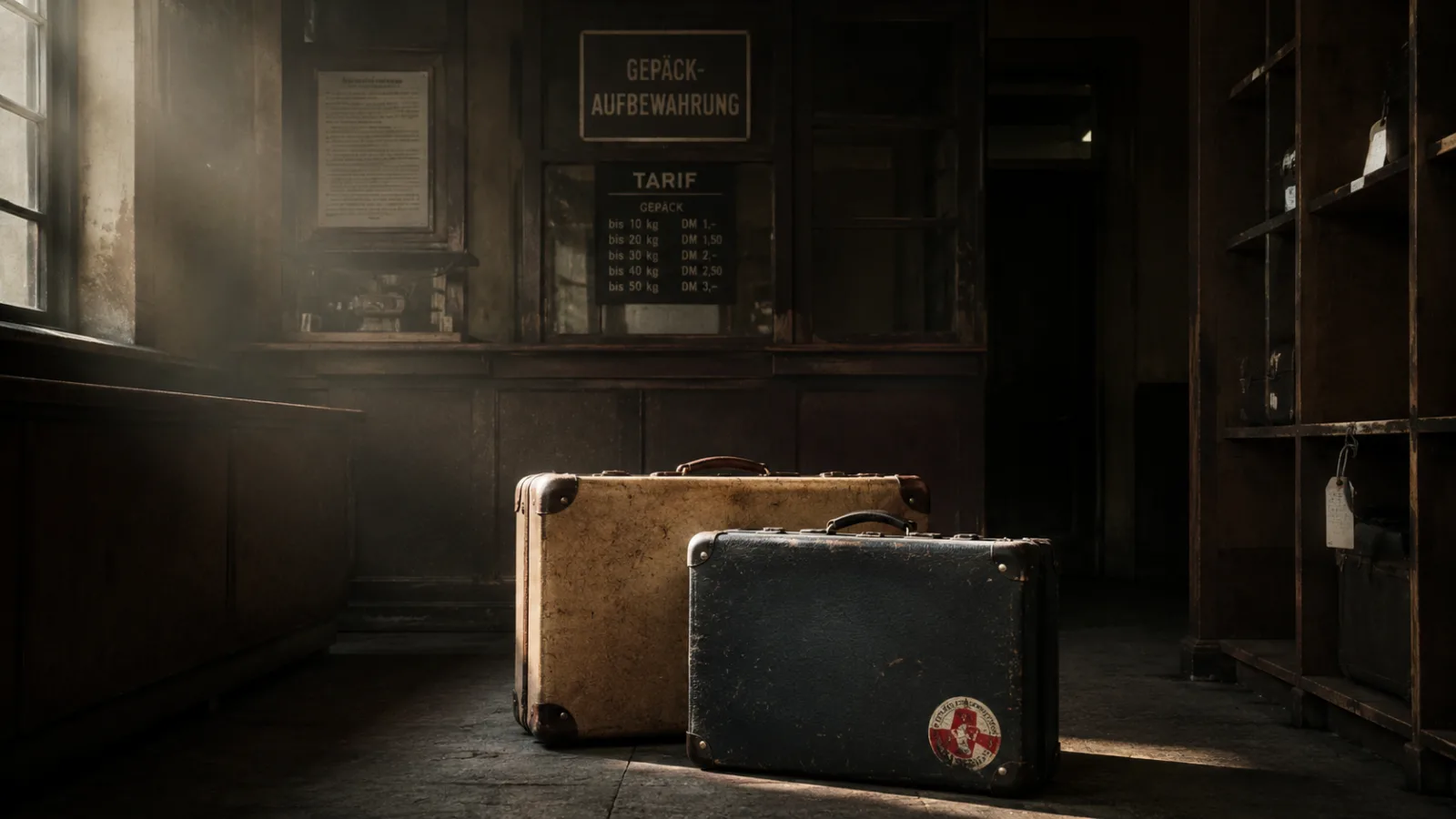
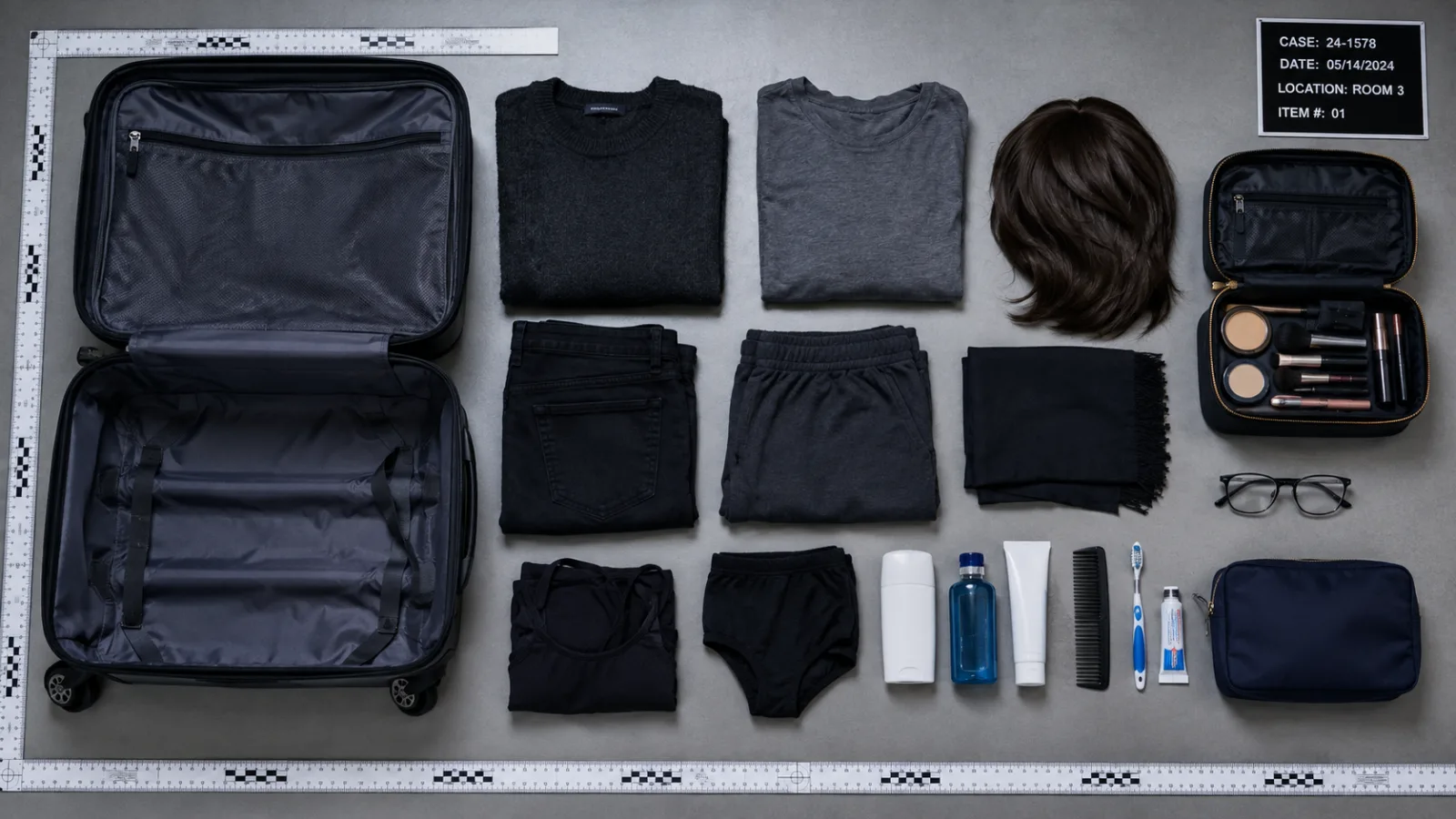
Three days after the body was found, investigators located two unclaimed suitcases in the left-luggage area of Bergen railway station. Inside one was a pair of sunglasses; a fingerprint from the glasses matched one taken from the dead woman. The suitcases were hers.
Instead of revealing who she was, their contents deepened the mystery. Police found:
- Clothing with labels deliberately removed
- Wigs and cosmetics
- Nonprescription glasses
- Maps and railway timetables
- Currencies from several European countries
Identifying marks had been cut away, filed down, or scraped from many objects, as though someone had systematically erased the ordinary clues that reveal where possessions had been purchased.
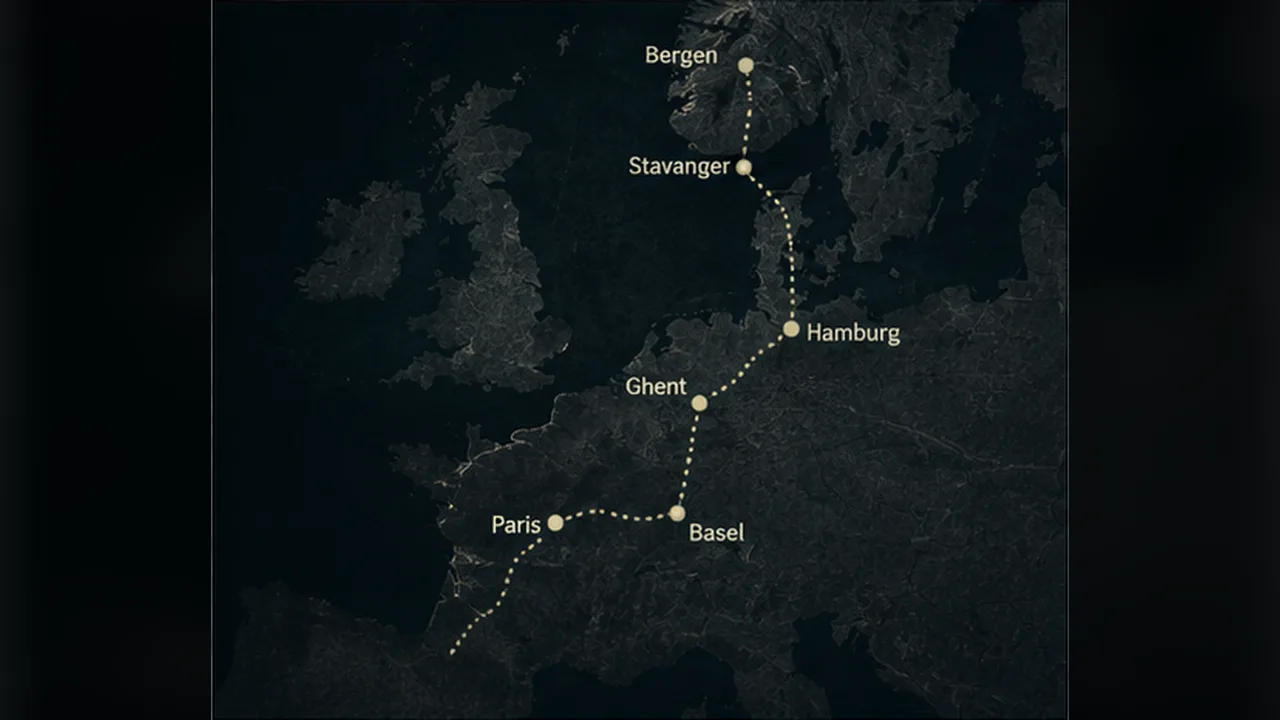
There was also a notebook. Its entries first looked like meaningless strings of letters and numbers, but investigators eventually realized they formed a shorthand travel log — letters representing cities, numbers representing dates. Much of the code was deciphered, allowing police to reconstruct portions of her journey: Paris, Basel, Ghent, Hamburg, Stavanger, Bergen.
The code had been read. The woman who wrote it had not. Where had she begun? Who was she meeting? Why did she need so many names — and why disguise a record of her own movements if the journey was innocent?
A Woman of Many Names
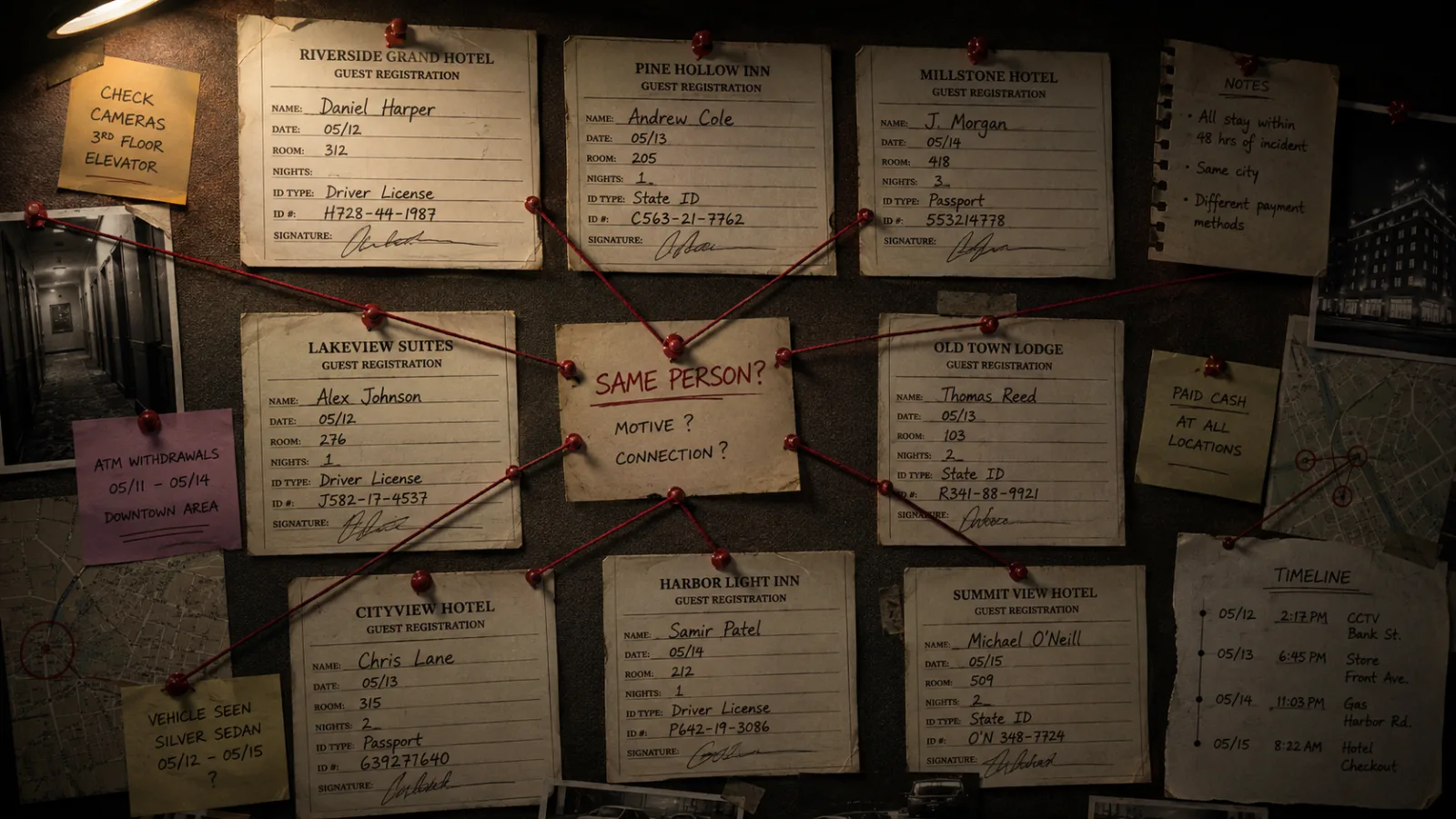
Using hotel registration records, police traced her travels backward and found she had stayed in numerous hotels under a series of aliases, each with a different address, occupation, or claimed nationality. At one hotel she was Belgian; at another, French, Italian, or South African. The names and details changed, but witnesses believed they were describing the same woman.
Hotel employees remembered her as well dressed, composed, and unusually private. Some heard her speak or respond in several European languages, though witnesses disagreed on her accent or true nationality. She wore a wig on at least one occasion, paid for nearly everything in cash — sometimes in different foreign currencies — and reportedly seemed uncomfortable whenever someone suggested they had seen her before.//
None of these details proves espionage on their own. But together, they suggest someone had methodically removed the ordinary traces that allow a person to be followed backward through their life: labels in clothing, markings on belongings, addresses on hotel forms, even the names she used.
Investigators also received reports that she had visited areas around the Bergen fjords shortly before her death and had been seen with unidentified men in the days before she disappeared. The accounts were sometimes inconsistent, and none of the men was ever identified or came forward.
The overall picture was not of a tourist who had simply become lost. It was of someone practiced in concealment — someone who knew how to travel without leaving an easily traceable identity behind.
The Espionage Theory
To investigators, journalists, and later researchers, her behavior looked remarkably similar to tradecraft. One theory became almost inevitable: the Isdal Woman had been a spy.
The timing made it plausible. 1970 sat squarely inside the Cold War, with Europe divided between rival alliances and intelligence agencies operating across borders. Norway was a NATO member bordering the Soviet Union in the far north, and Bergen held military and maritime significance. An intelligence operative moving through the region under a false identity was not far-fetched — it was the kind of thing that actually happened.
Norwegian police reportedly consulted the country's security and intelligence services during the investigation. Later journalists and researchers raised questions about restricted records and incomplete documentation. To some, this suggested a cover-up; to others, it indicated authorities may have suspected an intelligence connection but were unable or unwilling to discuss it publicly.
But here a responsible account has to slow down. The theory is compelling — it is not proven. What is confirmed is that the woman traveled under numerous false identities, removed identifying information from her possessions, recorded her journeys in coded shorthand, traveled through several European countries during the Cold War, and that Norwegian security authorities were consulted. What has never been confirmed is that she worked for any intelligence agency. No government has acknowledged her as an operative, no surviving document identifies her as a spy, and no one has proven evidence was destroyed to protect an operation. These remain theories, supported by genuinely unsettling circumstantial evidence — but theories all the same.
Other Explanations
The documented facts are strange enough without exaggeration, and other explanations exist.
She may have been involved in smuggling, fraud, or another illegal activity requiring false identities. She may have been hiding from a private history rather than a government — escaping a relationship, a family, a financial crisis, or some other part of her life she didn't want following her. False names and secretive travel are suspicious, but they don't automatically make someone an intelligence agent.
Another explanation centers on her mental state. The enormous quantity of sleeping tablets led investigators to consider suicide from the start. Under this theory, she was a woman in severe psychological distress who had spent years constructing false identities for reasons known only to her, and who may have chosen Isdalen's isolation deliberately, even trying to destroy remaining evidence of her identity so her real life would never be discovered.//
This theory leaves difficult questions of its own. Why remove identifying marks from so many unrelated possessions? Why maintain aliases across several countries and keep a disguised travel log? Why set herself on fire after taking enough sleeping tablets to become incapacitated? And how do the neck bruising and reports of unidentified men fit in?
The espionage theory has the opposite problem. It explains the aliases, the wigs, the cash, the removed labels, and the coded log — and perhaps why intelligence services became involved — but it doesn't explain what happened in the valley. Was she killed because she knew too much? Was she meeting someone? Had an operation failed? Was the scene staged to look like suicide? Why Bergen, why Isdalen, why that particular day?```//
Modern Forensic Science Reopens the Case
For decades the case remained an unresolved chapter of Norwegian criminal history, largely unknown outside Scandinavia. Beginning around 2016, renewed journalistic attention brought it to a much wider audience, and Norwegian investigators, forensic scientists, and independent researchers began revisiting the evidence with techniques that didn't exist in 1970.
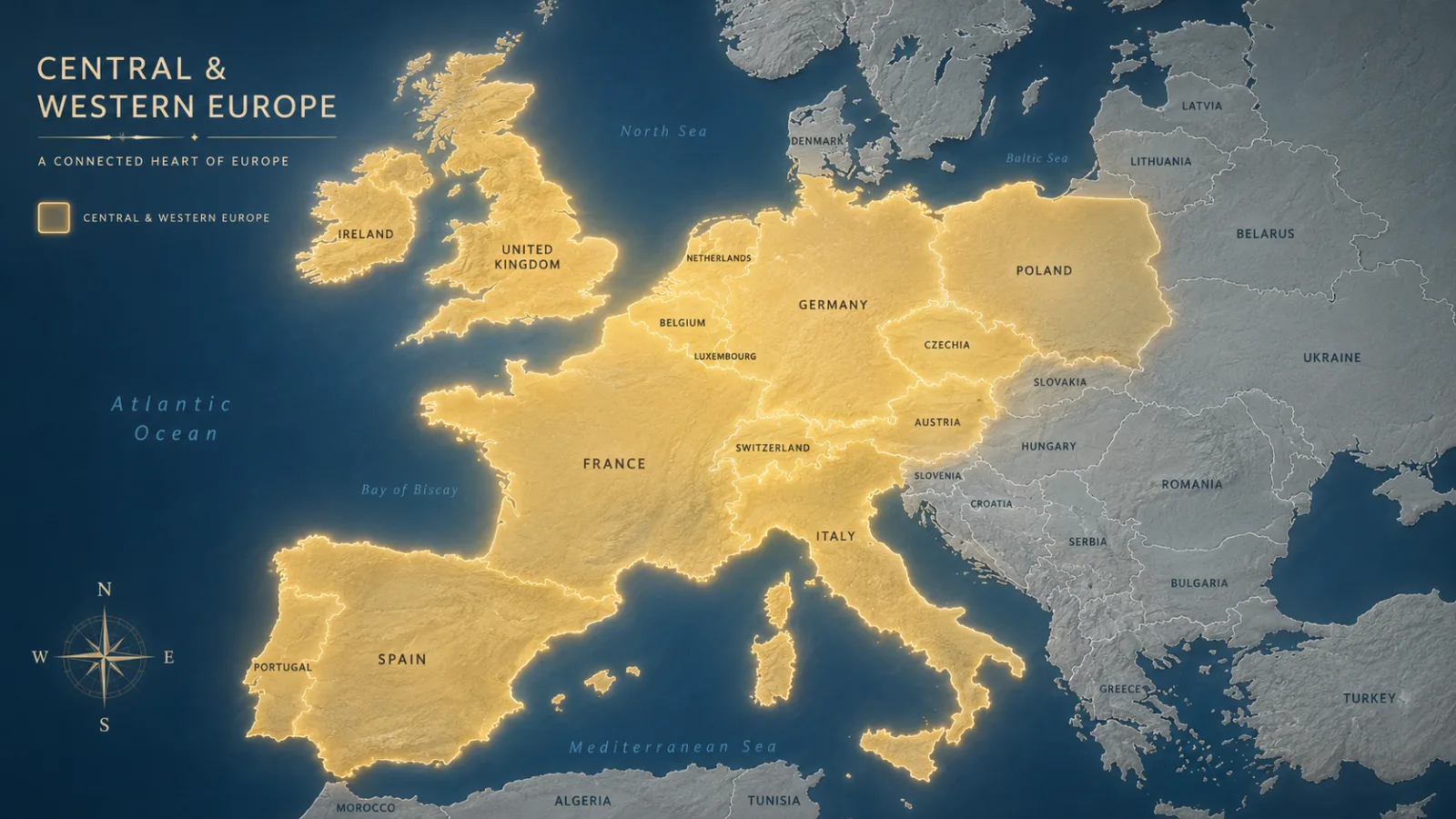
Scientists examined preserved dental material and other biological evidence from the original investigation. By studying chemical isotopes in her teeth — signatures left by the water and food a person consumed during childhood — researchers attempted to narrow the geographic regions where she may have lived. These signatures can't reveal an exact address, but they can point toward a likely region of origin.
The results pointed toward central or western continental Europe, with several interpretations suggesting a possible connection to Germany or areas near the German-French border. Other testing attempted to estimate her age and reconstruct portions of her early life. The findings narrowed the possibilities — they did not provide a name.
Investigators have also explored DNA analysis in the hope that her genetic profile might someday be linked to a relative, a missing-person record, or a genealogical database. As of now, no confirmed identification has been made public. Her name remains unknown.
A Case Built From Fragments
What remains is a case assembled almost entirely from fragments: a burned body in a remote Norwegian valley, two suitcases abandoned at a railway station, a fingerprint on a pair of sunglasses, clothing stripped of its labels, a notebook whose code was read but whose author never was, and a trail of false names across a continent still divided by the Cold War.
Modern science has narrowed the range of possibilities, but it has not closed the file. Was she an intelligence operative caught in a conflict fought largely in silence? A private woman with a private reason to disappear from her own name? Did she take her own life and try to ensure no one would ever discover who she had been? Or did someone else decide her fate that day in Isdalen?
The honest answer is that no one knows — not conclusively, not yet. More than fifty years later, the Isdal Woman remains exactly what she was on the morning she was discovered: a woman with many names, none of them proven true, and a question Norway has never been able to close.