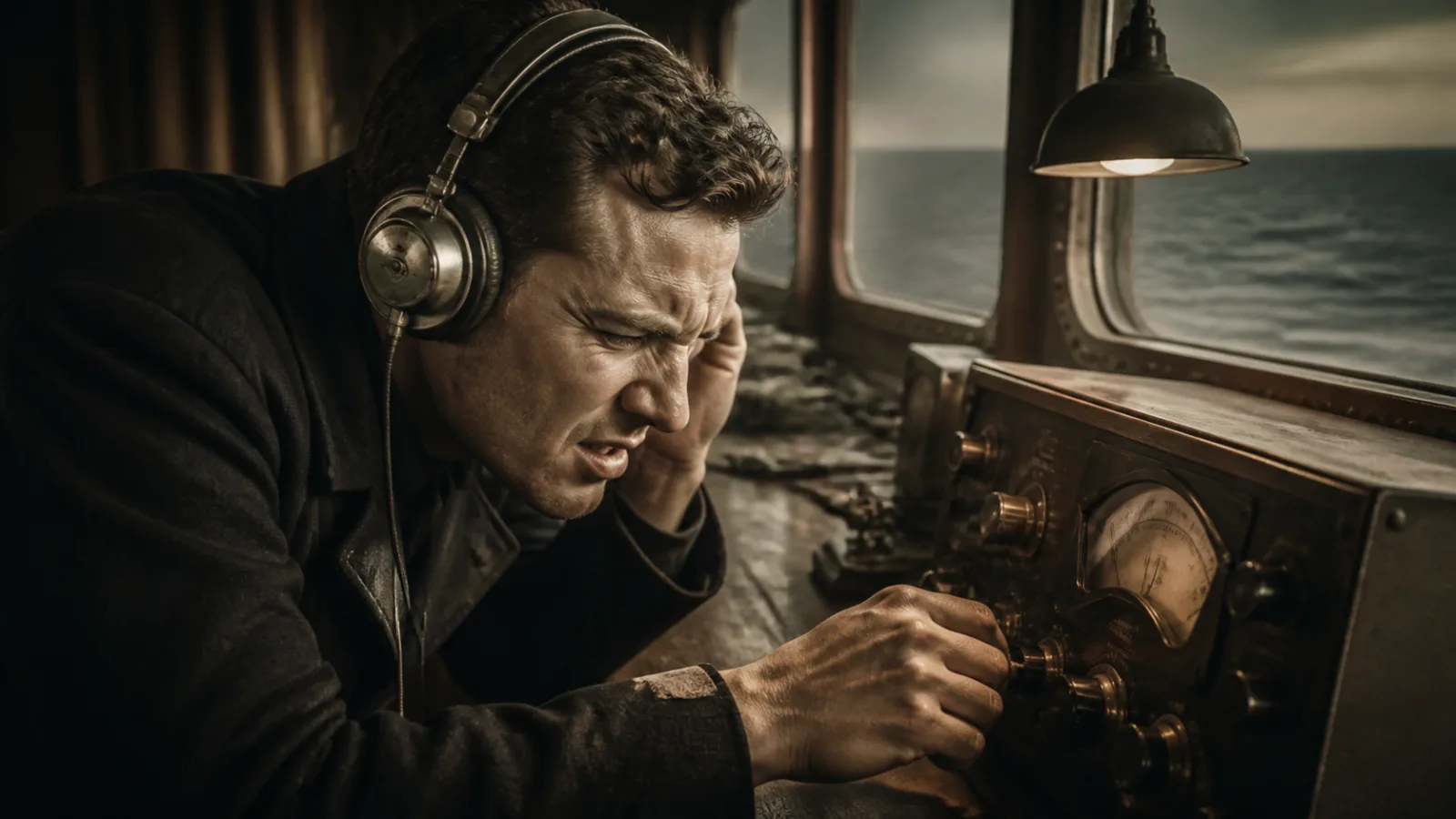
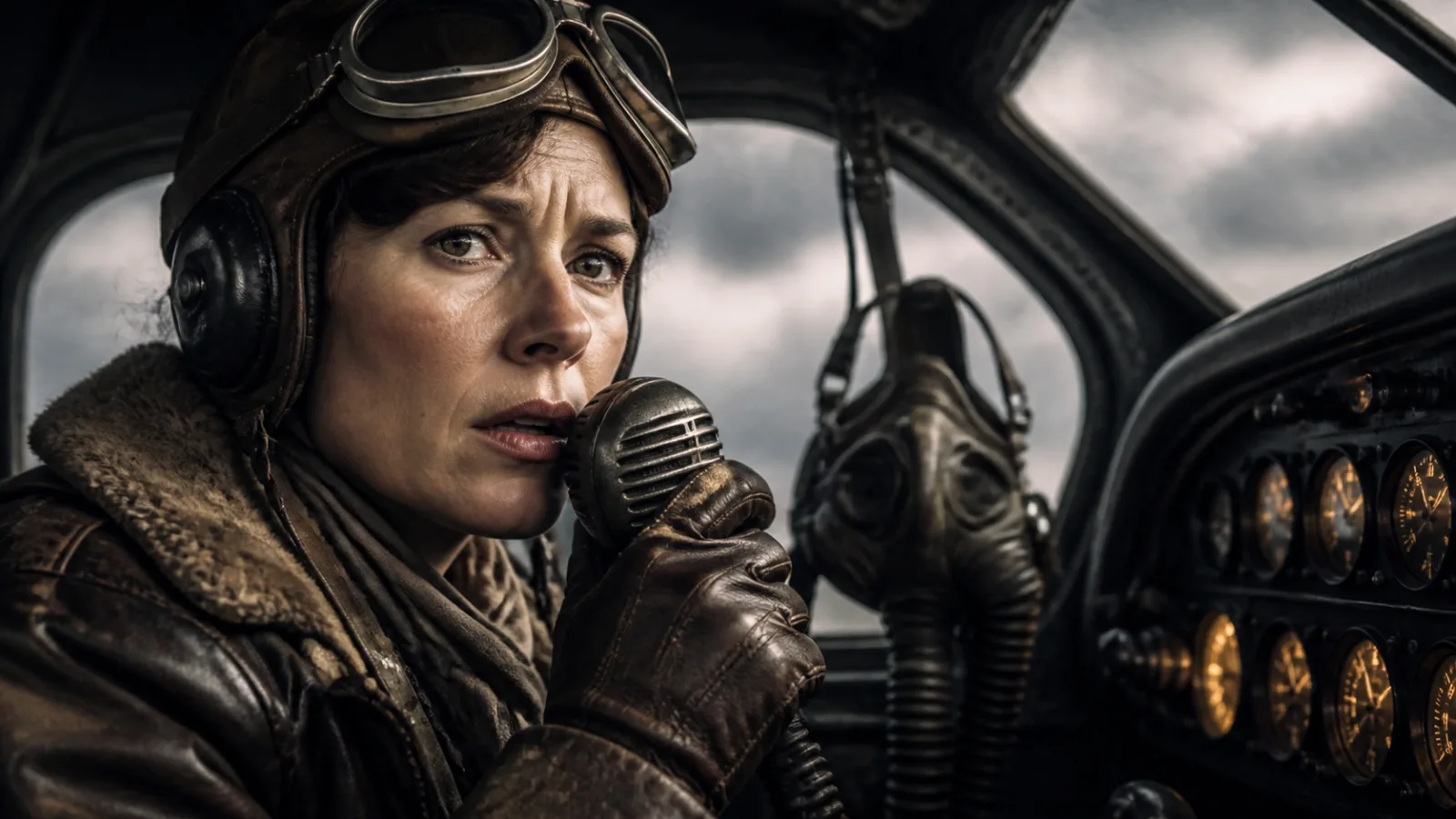
At 7:20 in the morning on July 2, 1937, a voice crackled through radio static somewhere over the central Pacific. The U.S. Coast Guard cutter Itasca was straining to hear it: a woman's voice, tense and precise, running low on options.
"We must be on you, but cannot see you. Gas is running low."
Less than an hour later came a final transmission, her position lines crossing an empty stretch of ocean near a speck of coral called Howland Island. Then, nothing. No wreckage. No confirmed distress call after that. No body ever recovered under a name anyone could prove.
Amelia Earhart, the most famous female aviator in the world, and her navigator Fred Noonan, simply stopped existing, mid-flight and mid-history. More than eighty years later, we still don't know exactly what happened to them, and that not-knowing has become one of the most examined mysteries of the twentieth century.
Who Was Amelia Earhart?
By the mid-1930s, Amelia Earhart wasn't just a pilot. She was a global celebrity, arguably the most recognizable woman in America who wasn't in politics or film. In 1932, five years after Charles Lindbergh made the transatlantic crossing famous, she became the first woman to fly solo across the Atlantic Ocean. She set speed records, wrote books, and helped found the Ninety-Nines, an organization for female pilots. She was a spokesperson, a fashion icon, and a symbol of a modern, capable, fearless American woman at a time when that image mattered.
But Earhart wanted one more record: the biggest one left. A flight around the world at the equator, roughly 29,000 miles, farther than anyone had attempted before.
The Final Record Attempt
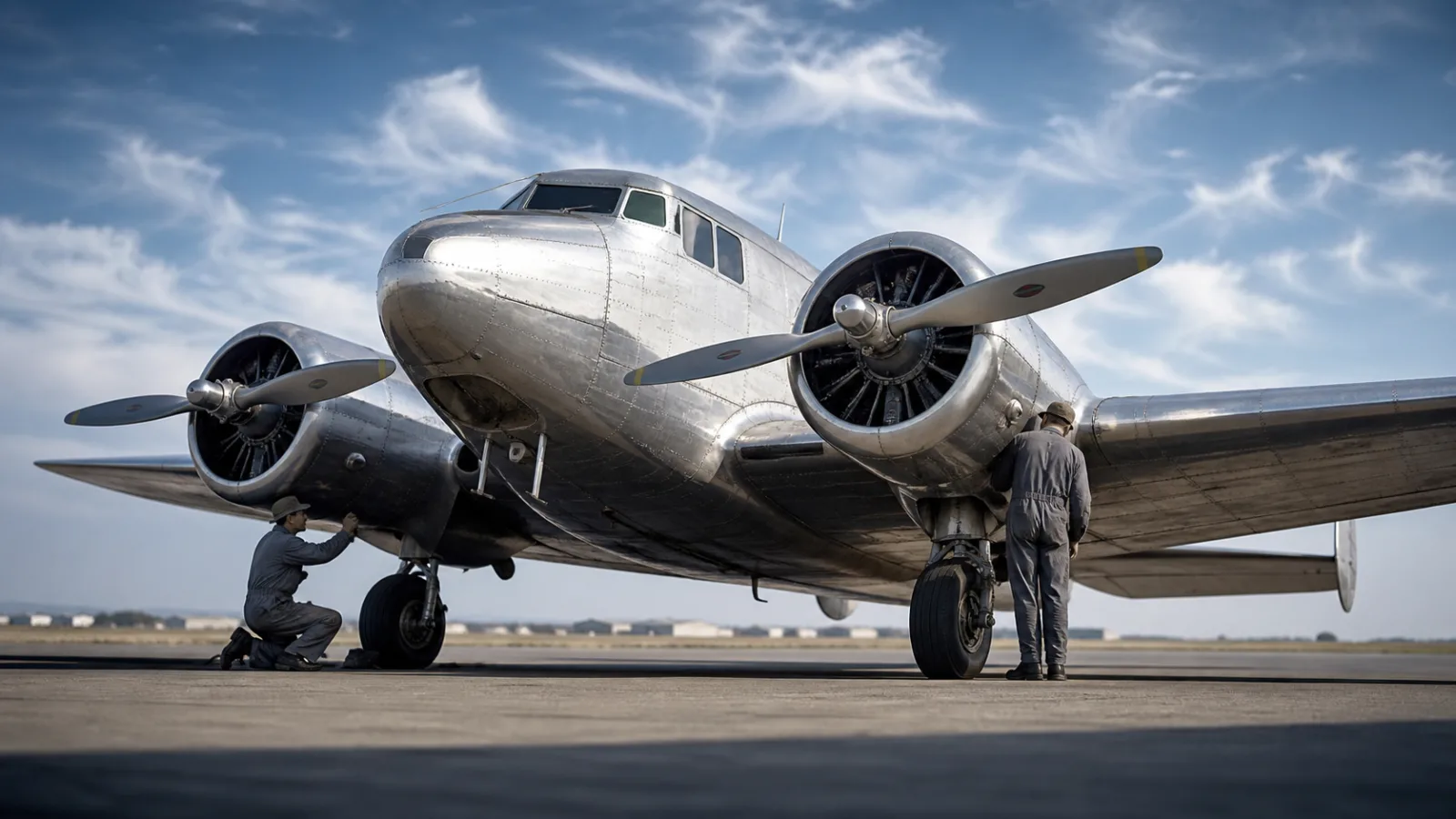
In 1937, Earhart set out to circle the globe in a twin-engine Lockheed Electra 10-E, a sleek, modern aircraft outfitted with extra fuel tanks and the latest navigation equipment of the era. Her navigator was Fred Noonan, a highly experienced ocean navigator who had charted routes for Pan American Airways across the Pacific.
The first attempt, launched from Oakland heading west, ended in a crash on takeoff in Hawaii. The plane was damaged, but rather than give up, Earhart had it shipped back, repaired, and restarted the journey. This time she flew east, from Oakland to Miami and then across the Atlantic, Africa, the Middle East, India, and Southeast Asia.
By late June 1937, they had completed all but the final, most dangerous leg.
The Impossible Final Leg to Howland Island
From Lae, New Guinea, Earhart and Noonan needed to reach Howland Island, a tiny American possession barely two miles long, sitting alone in more than 2,000 miles of open Pacific Ocean. It was one of the hardest navigational targets in the world to hit, with no room for meaningful error.
At 10:18 a.m. local time on July 2, 1937, they took off from Lae with roughly 1,000 gallons of fuel aboard, enough in theory for around 20 to 24 hours of flight depending on conditions. Waiting near Howland was the Itasca, tasked with guiding them in by radio and marking the island with smoke if needed.
Radio Breakdown and Rising Tension
Communication between the plane and the ship was one-sided and frustrating almost from the start. Earhart could apparently hear some transmissions, but the Itasca often couldn't get clear responses from her, and there were mismatches in the radio frequencies both parties expected to use.
As the hours passed, her voice transmissions grew more strained. She reported cloudy, overcast weather and said she must be near the island but could not see land or the ship. Her final confirmed transmission placed her along a specific navigational line, running northwest to southeast, intersecting a position near Howland Island. Then, silence.
Silence and the Massive Search Effort
The Itasca and, eventually, the U.S. Navy launched one of the largest and most expensive air and sea search operations in history up to that point, scouring roughly 250,000 square miles of ocean over the following days. They found nothing: no wreckage, no oil slick, no debris field, no bodies. On July 19, 1937, the search was called off, and Earhart and Noonan were declared lost at sea.
That should have been the end of the story. Instead, it was the beginning of the mystery.

Theory One: Crash and Sink
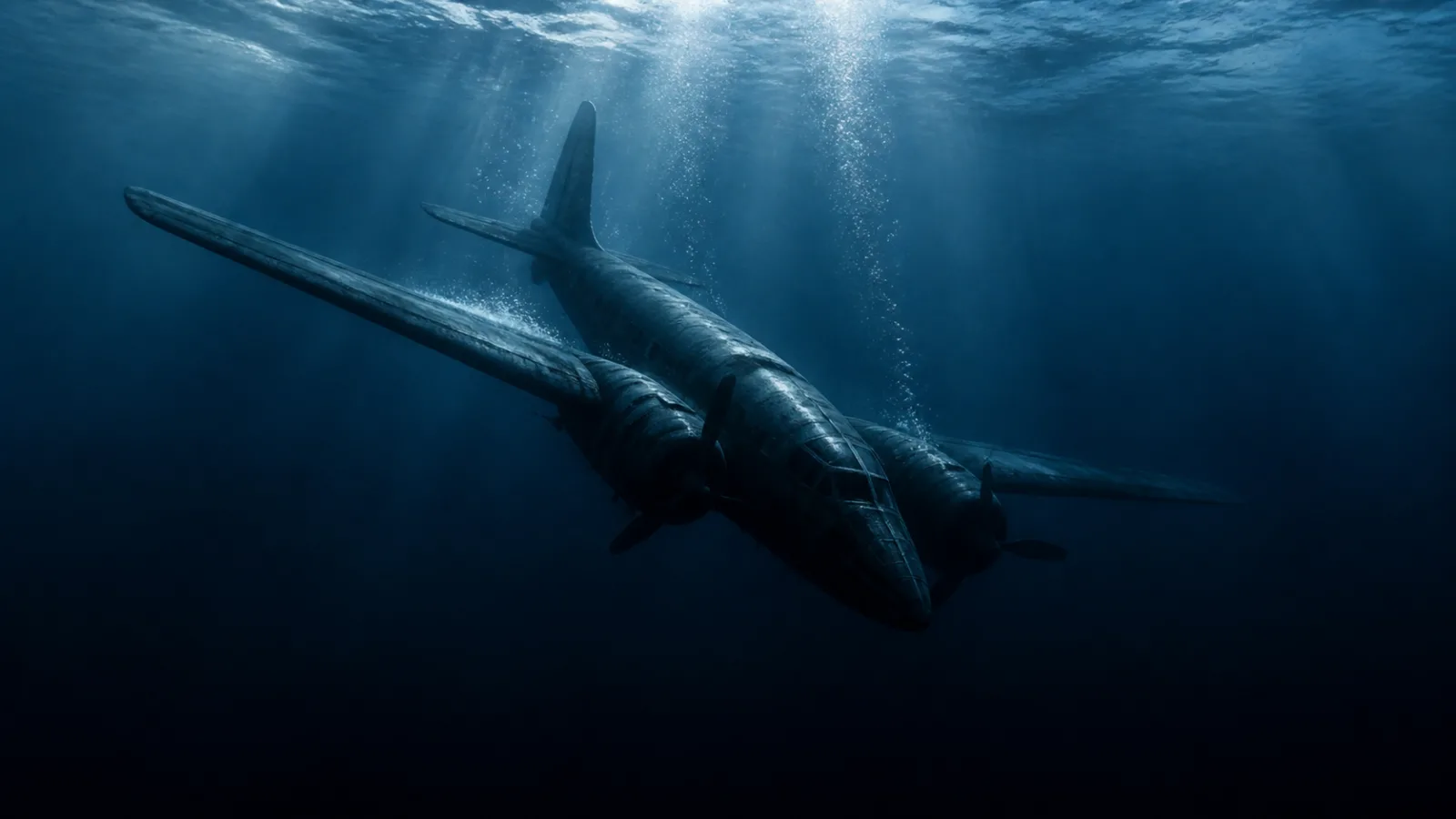
The most widely accepted explanation among researchers and historians is also the most mundane: Earhart and Noonan ran out of fuel searching for Howland Island and crashed into the ocean, sinking in water that in that region plunges to depths of over 18,000 feet.
Under this "crash and sink" hypothesis, there would be little or nothing left to find, especially given 1930s technology and the search area's staggering size. This explanation fits the last known radio transmissions closely, since Earhart's own words suggest she was running low on gas and could not locate land.
Theory Two: The Nikumaroro Castaway Hypothesis
Not every researcher is satisfied that this fully closes the case. The Nikumaroro hypothesis, championed most prominently by a research group called TIGHAR (The International Group for Historic Aircraft Recovery), holds that Earhart and Noonan, unable to find Howland, flew on to a different, uninhabited coral atoll roughly 350 miles to the southeast, then called Gardner Island and today known as Nikumaroro. There, the theory goes, they landed on the reef and survived for some period as castaways before eventually dying.
This isn't pure speculation without support. In 1940, just three years later, a British colonial officer discovered a partial human skeleton on Nikumaroro, along with a woman's shoe, part of a sextant box, and other artifacts. The bones were examined at the time and, using the anthropological standards of that era, judged to belong to a male. Some modern researchers, applying updated forensic methods to the recorded measurements, have argued the bones are more consistent with a female of Earhart's approximate height and ancestry. However, the original bones themselves have since been lost, so this remains a re-analysis of old data rather than a new physical examination.
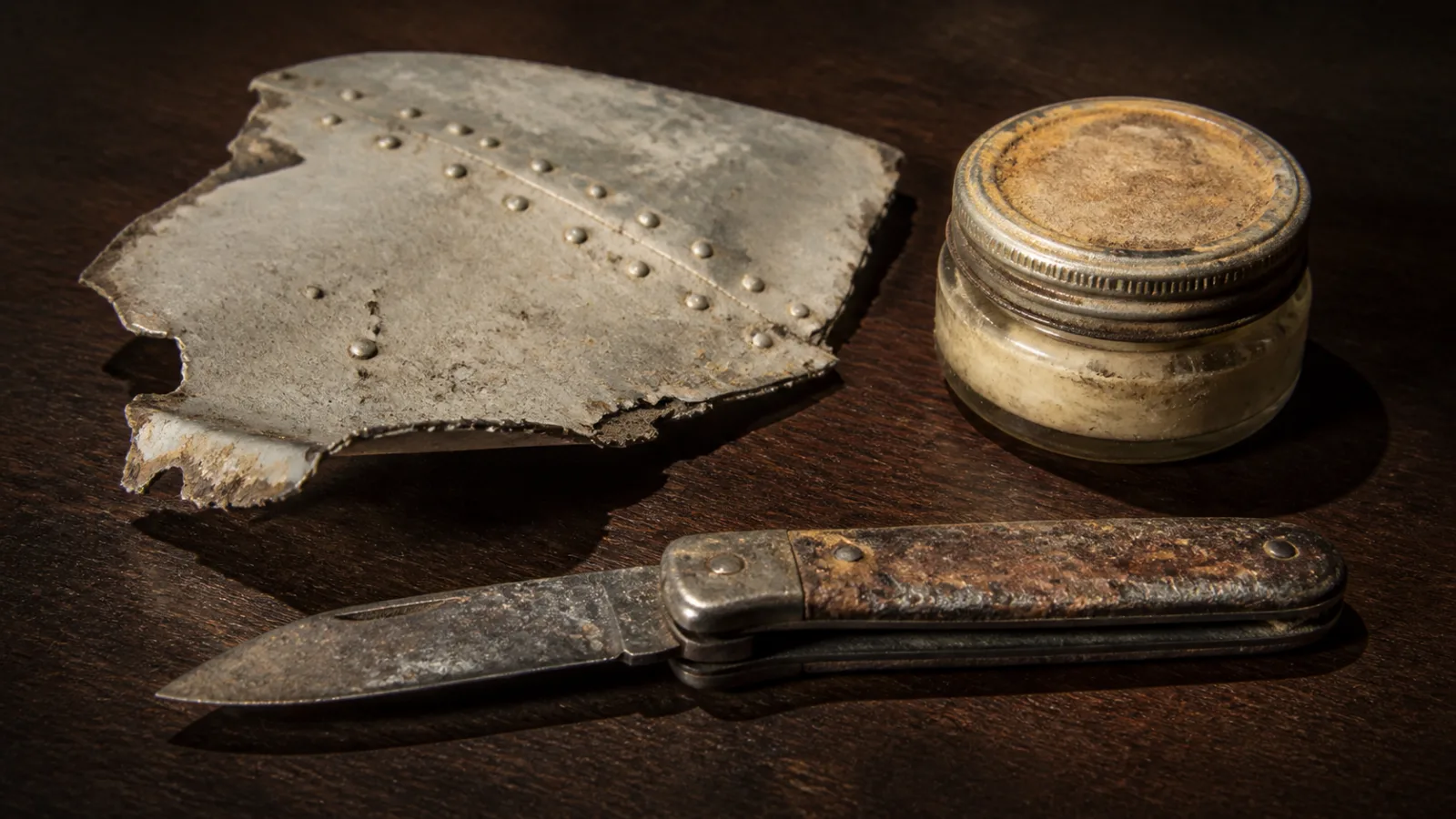
TIGHAR has also conducted repeated expeditions to Nikumaroro, recovering items such as a pocketknife, aluminum panels of the correct type and rivet pattern for a 1930s Lockheed Electra, and a jar that may once have held freckle cream of a brand Earhart was known to use. None of it has been definitively, unambiguously matched to Earhart or her aircraft.
There is also radio evidence to weigh. In the days and weeks following the disappearance, various receiving stations, including amateur operators, reported catching faint, garbled signals that some listeners believed were distress calls from a woman identifying herself as Earhart. Most were dismissed at the time as hoaxes or misidentified transmissions. Decades later, some researchers re-examined these reports and argued that a handful were plausible, potentially indicating the plane's radio remained operational after landing, which would only make sense if it had come down on land or a shallow reef rather than sinking in open ocean.
Theory Three: Japanese Capture
The second enduring theory is far more contentious: that Earhart and Noonan were captured by Japanese forces, possibly after landing in the Marshall Islands, which were then under Japanese control, and died in Japanese custody.
This theory has circulated since shortly after the disappearance, fueled by a 1930s geopolitical climate thick with suspicion, and by claims from local islanders in later decades of having seen a plane go down or a woman matching Earhart's description in Japanese custody. It has produced photographs, most famously one that surfaced in a 2017 documentary purporting to show Earhart and Noonan on a dock in the Marshall Islands. Researchers subsequently traced that photograph to a Japanese travel publication printed years before Earhart's flight, undermining that particular piece of evidence.
No Japanese military or government records, despite extensive postwar documentation of the era, have ever surfaced confirming this scenario.
Weighing the Evidence and the Modern Search
Each theory has genuine holdups. The crash-and-sink theory, while the simplest, leaves the Nikumaroro artifacts and the post-loss radio signals unexplained, though supporters note that coincidence and hoax can account for both. The Nikumaroro theory requires the Electra to have made a survivable landing on a reef, and for two experienced aviators to have then died without leaving a clearer, more conclusive trace, despite repeated searches of a small island. The Japanese capture theory has the weakest documentary support of the three, resting heavily on secondhand testimony gathered many years after the fact.
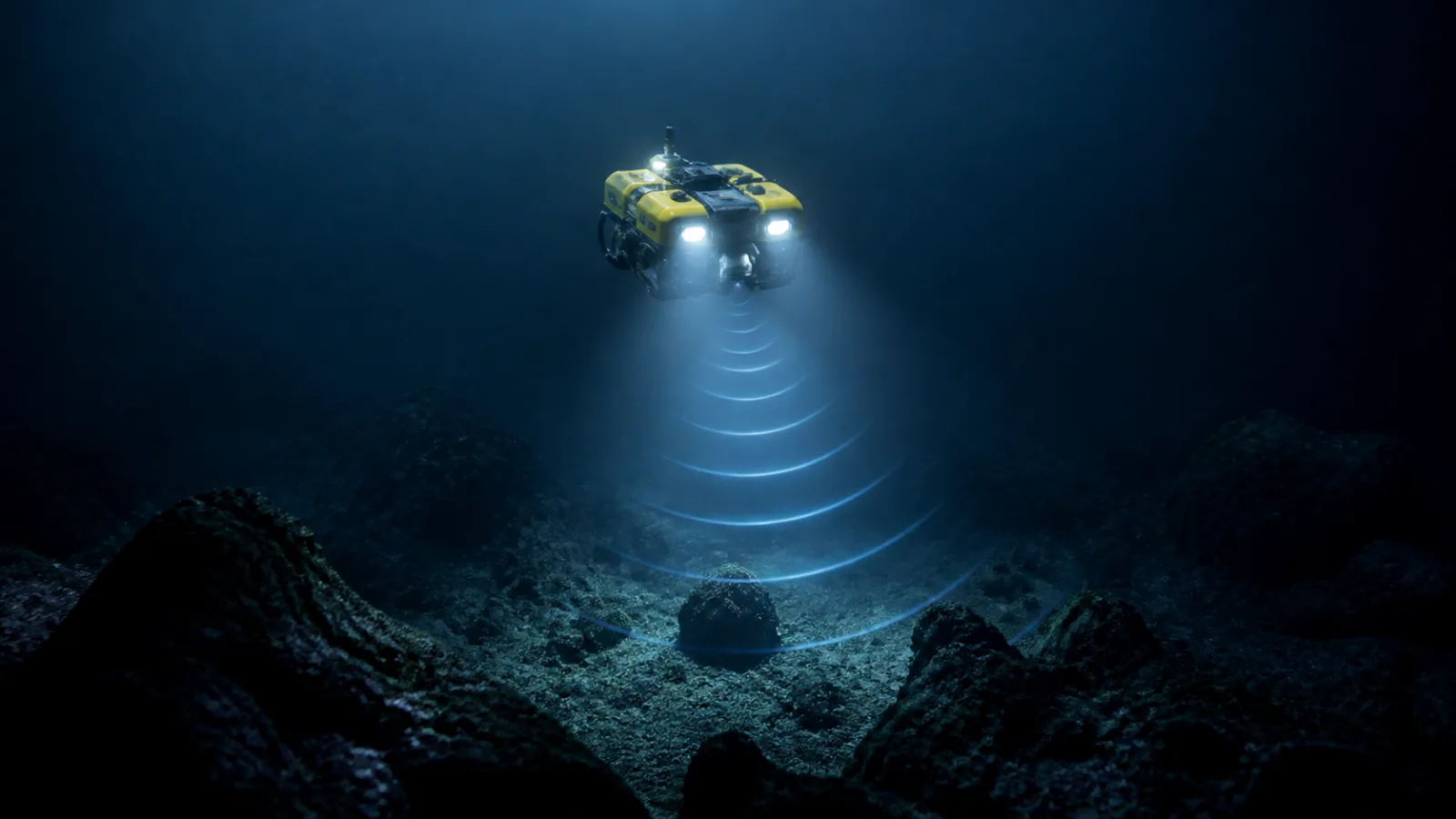
In 2017 and again in more recent years, deep-sea search expeditions using sonar and underwater drones have scanned stretches of ocean floor near Howland Island and Nikumaroro, chasing sonar anomalies that occasionally generate headlines. So far, none have produced a confirmed piece of Earhart's aircraft.
What remains is a woman who flew into radio silence in broad daylight, watched by a ship that never saw her plane, over an ocean that has never given her back. If the wreckage is down there, in 18,000 feet of black Pacific water, it is waiting for a technology, or a search grid, that hasn't found it yet. And every few years, someone tries again.