The snow came late that March, dusting the fields around a lonely Bavarian farmstead where six people lay dead, and no one noticed for days.
This is the story of Hinterkaifeck, a small, isolated farm in the German state of Bavaria, where in 1922 an entire family and their maid were murdered with a mattock, a heavy farming tool similar to a pickaxe. The case remains one of Germany's most infamous unsolved crimes. Someone stayed on that farm for days after the killings. Someone fed the animals. Someone lit the stove. And then, that someone vanished, leaving behind almost nothing—and almost everything.
A Farm Apart
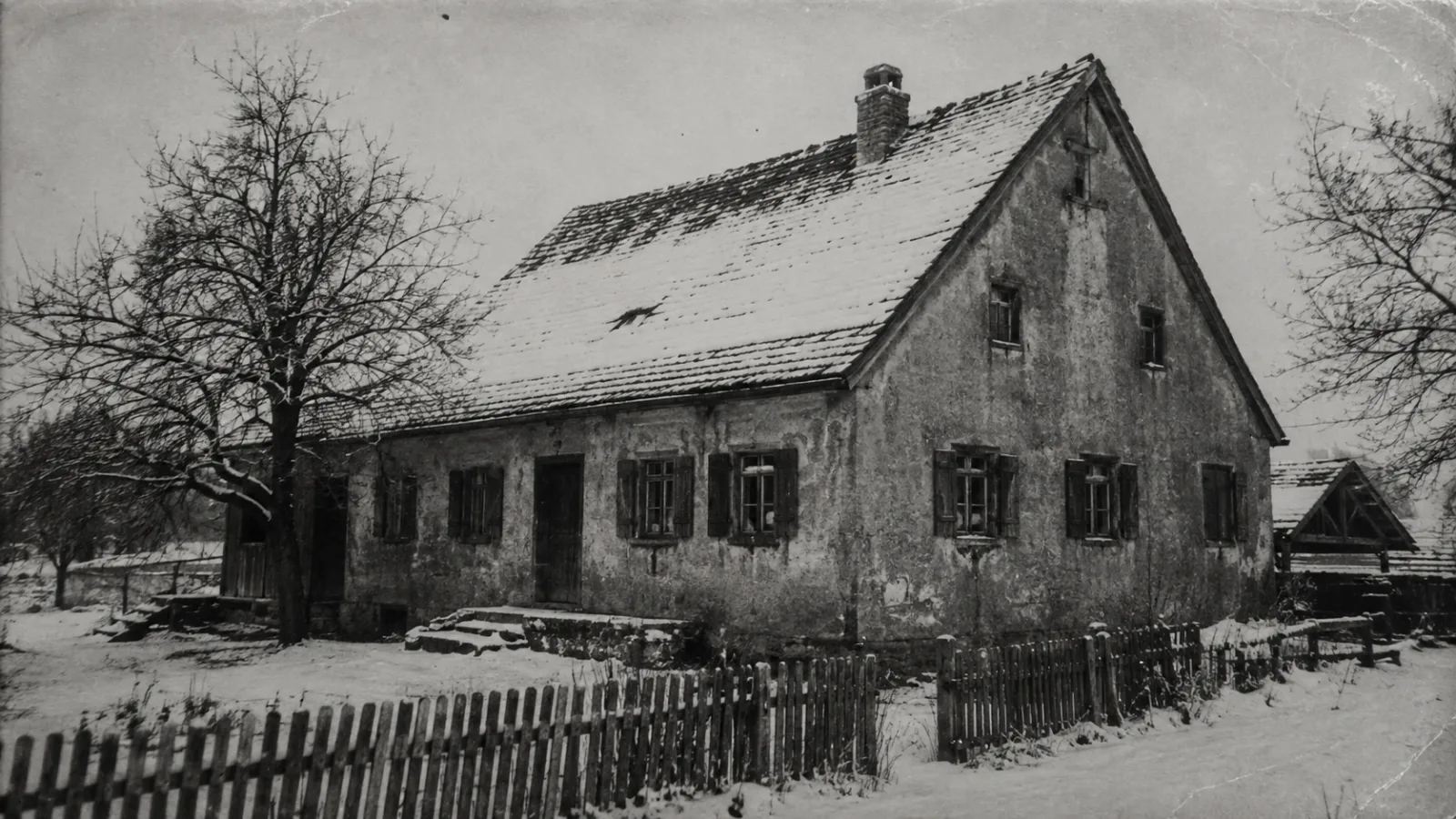
Hinterkaifeck was not a village. It was a single farmstead standing alone at the edge of a forest, about a kilometer from the nearest hamlet, in a rural stretch of Bavaria not far from the town of Ingolstadt. The name itself meant something like "behind Kaifeck," a nod to its remoteness even from the small settlement it was loosely attached to.
The farm belonged to Andreas Gruber, a 63-year-old farmer known locally as difficult, controlling, and deeply private. He lived there with his wife, Cäzilia, 72, and their widowed daughter, Viktoria Gabriel, 35, who lived with them along with her two children: seven-year-old Cäzilia, named for her grandmother, and two-year-old Josef.
The paternity of young Josef was, even at the time, a subject of dark local rumor. Viktoria's husband had died years earlier, and whispers in the area suggested that Andreas Gruber himself may have fathered both of Viktoria's children—a suspicion that, true or not, seems to have poisoned relationships within the household long before the murders.
Warnings No One Heeded
This was a family already living under strain. Neighbors would later tell police of strange events in the months before the killings—events that, in hindsight, feel less like rural superstition and more like a slow, deliberate haunting.
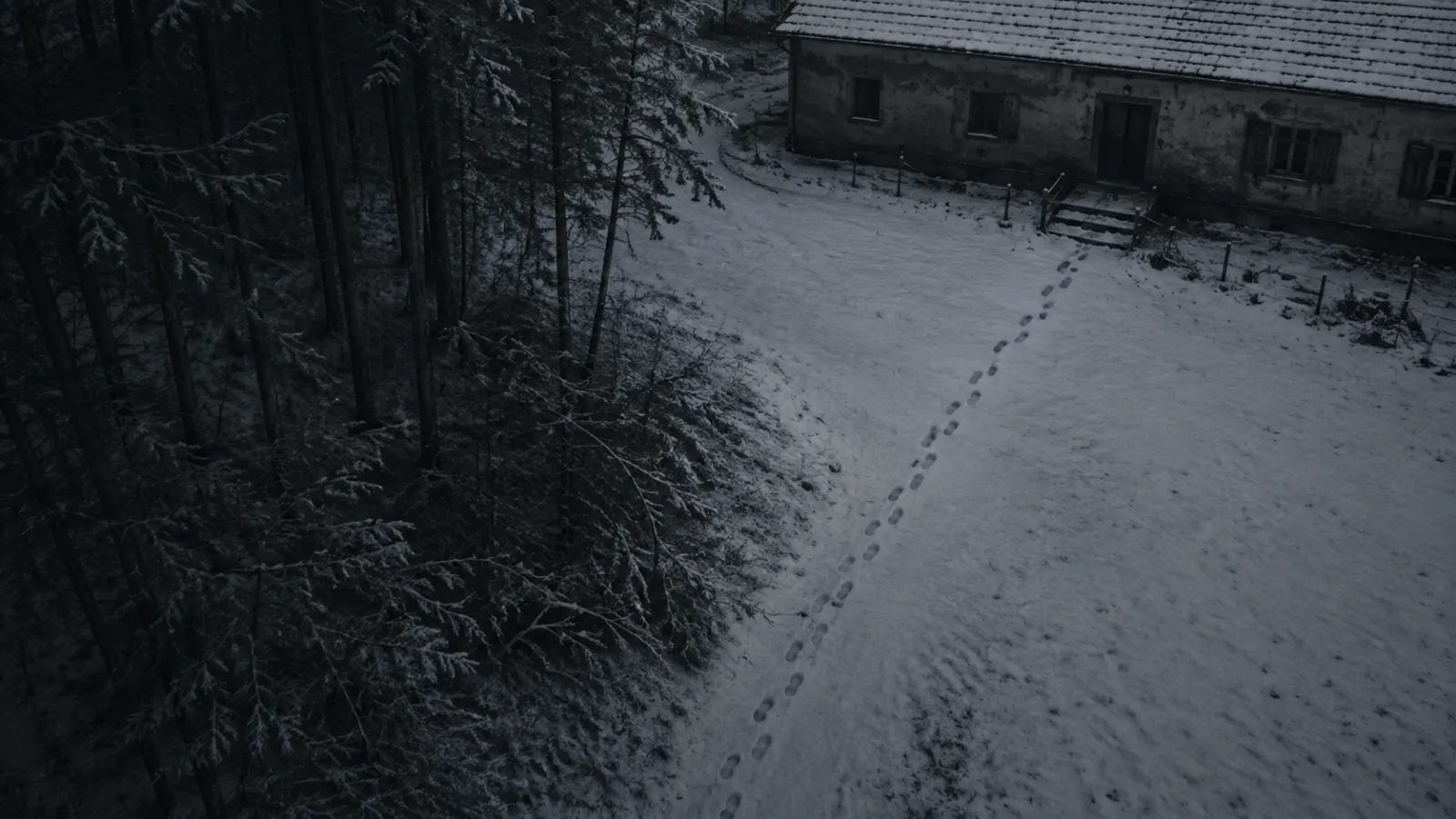
In the weeks before the murders, Andreas Gruber reported hearing footsteps in the attic that shouldn't have been there. He found strange tracks in the snow leading from the edge of the forest to the farmhouse—but no tracks leading away. A newspaper the family did not subscribe to turned up mysteriously on the property. A set of house keys went missing. And Viktoria told others she'd heard scratching sounds and noises around the house that unsettled her enough to mention them outside the family.
Gruber, by most accounts, did little about any of this beyond grumbling to a neighbor. He was known as a man who kept to himself and didn't welcome interference. Whatever was happening, the family faced it largely alone.
On March 31, 1922, a new maid arrived at the farm. Her name was Maria Baumgartner. She replaced a previous maid who had quit abruptly, reportedly because she too believed the house was haunted. Maria would last exactly one day in her new position.

The Night of the Murders
What happened next can only be reconstructed from physical evidence, because there were no witnesses left alive to describe it.
Sometime on the night of March 31, or in the early hours of April 1, someone lured or led four members of the Gruber household, one at a time, to the barn: Andreas Gruber, his wife Cäzilia, their daughter Viktoria, and her seven-year-old daughter, also named Cäzilia. Each was killed with the mattock. The killer or killers then went into the farmhouse itself, where two-year-old Josef and the new maid, Maria Baumgartner, were killed the same way.
Investigators later determined that the little girl, Cäzilia, had not died immediately from her wounds. Based on evidence at the scene, she appeared to have survived for some time after the initial attack, alone in the barn, before eventually dying there—one of the most haunting details in a case built almost entirely on haunting details.
The Killer Who Stayed
Then the killer, or killers, did something that has puzzled investigators for over a century. They didn't flee. They stayed.
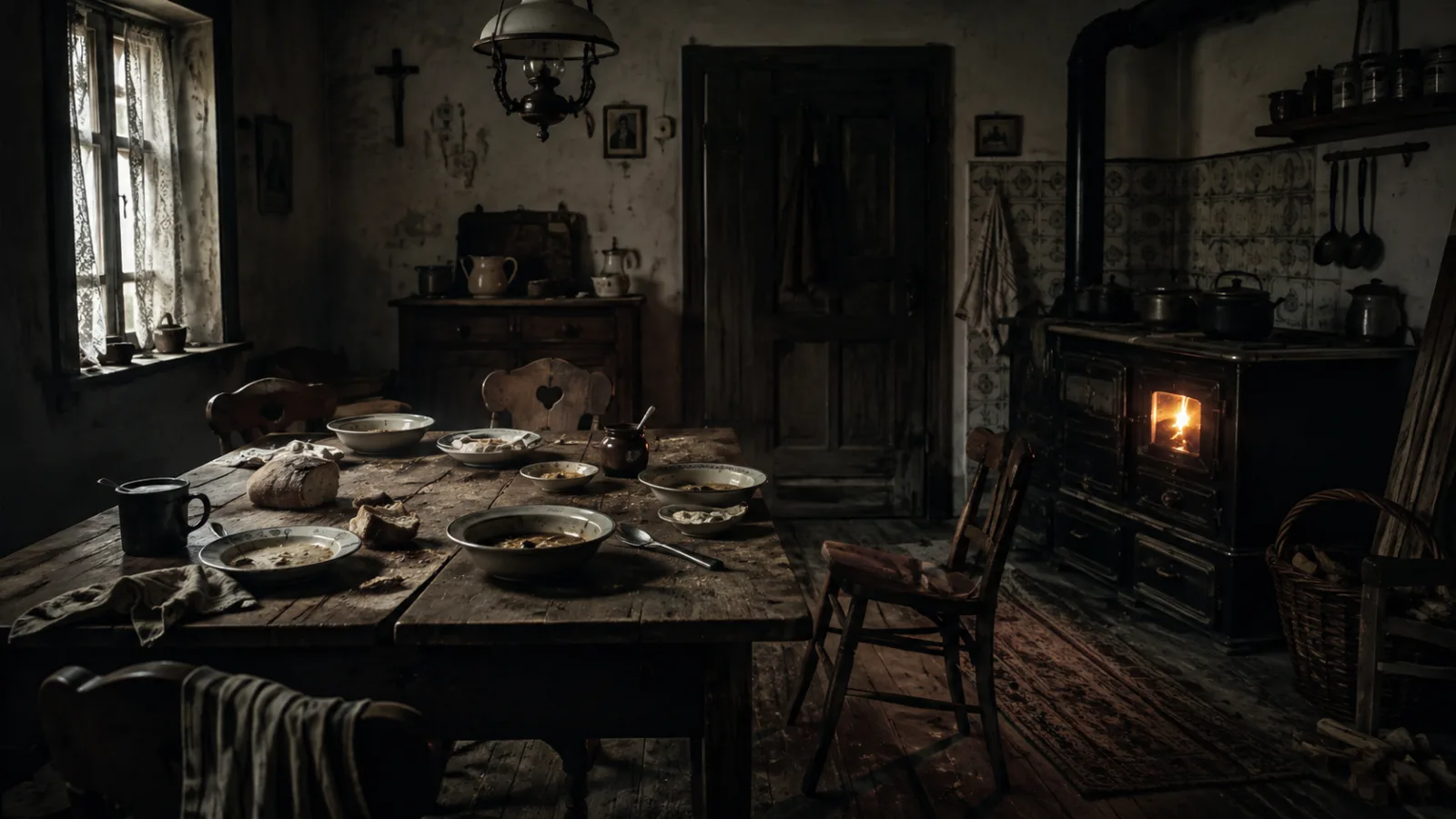
In the days that followed, someone continued to live on the farm. The animals were fed. A fire was lit in the kitchen stove, and food was found partially eaten. Smoke was seen coming from the chimney by neighbors, who assumed the family was simply going about its business, undisturbed. Nobody investigated. Nobody suspected. Nobody knew.
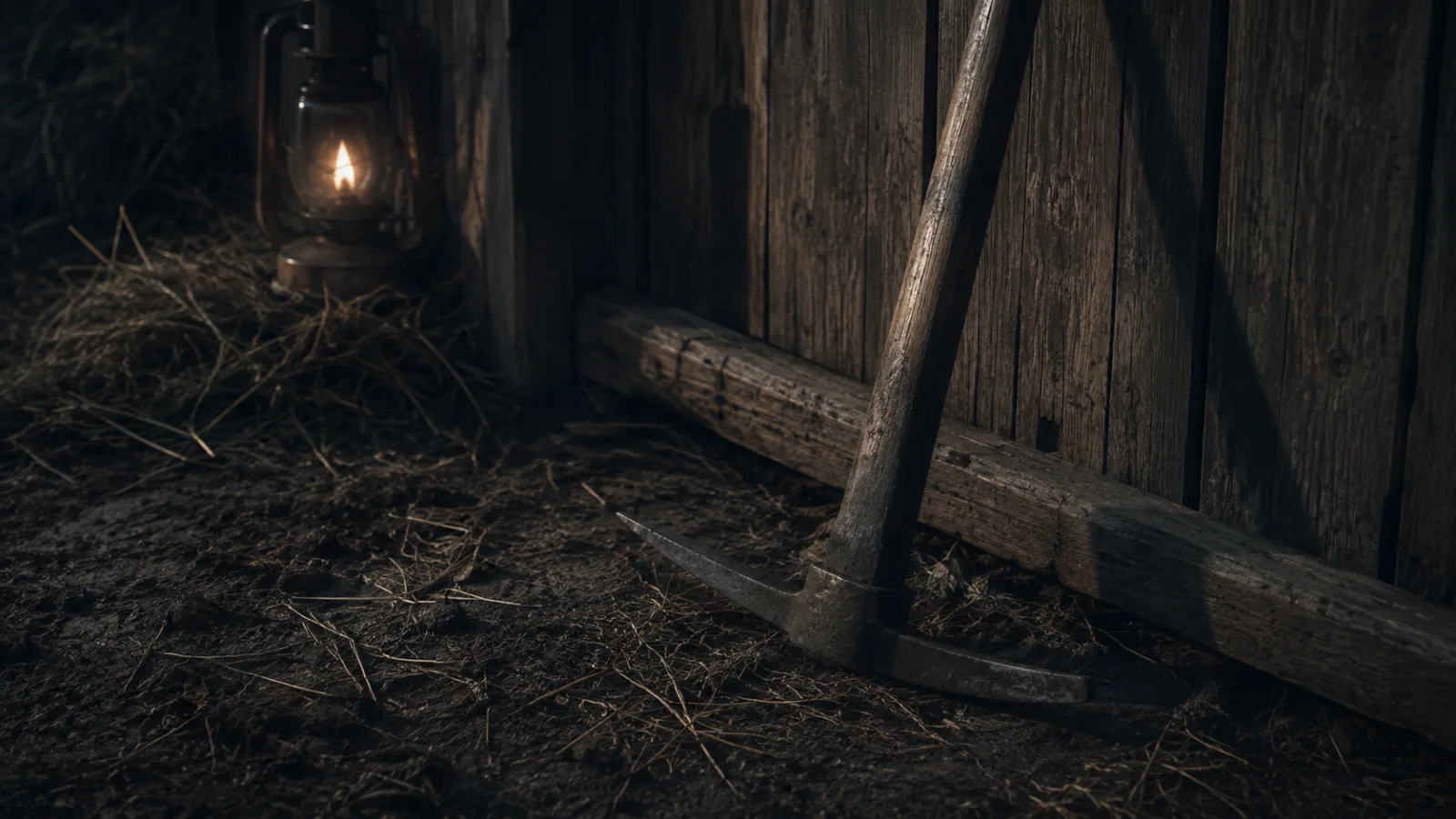
It wasn't until several days later, when neighbors and local officials grew concerned that no one from the household had appeared in the nearby village, that a small group went to the farm to check on them. What they found was the bodies of Andreas, Cäzilia, Viktoria, and young Cäzilia, stacked and partially covered with straw in the barn. Inside the house, they found Josef and Maria Baumgartner, also killed by the mattock, which was later discovered hidden in the barn, wiped clean.
An Unusually Thorough Investigation
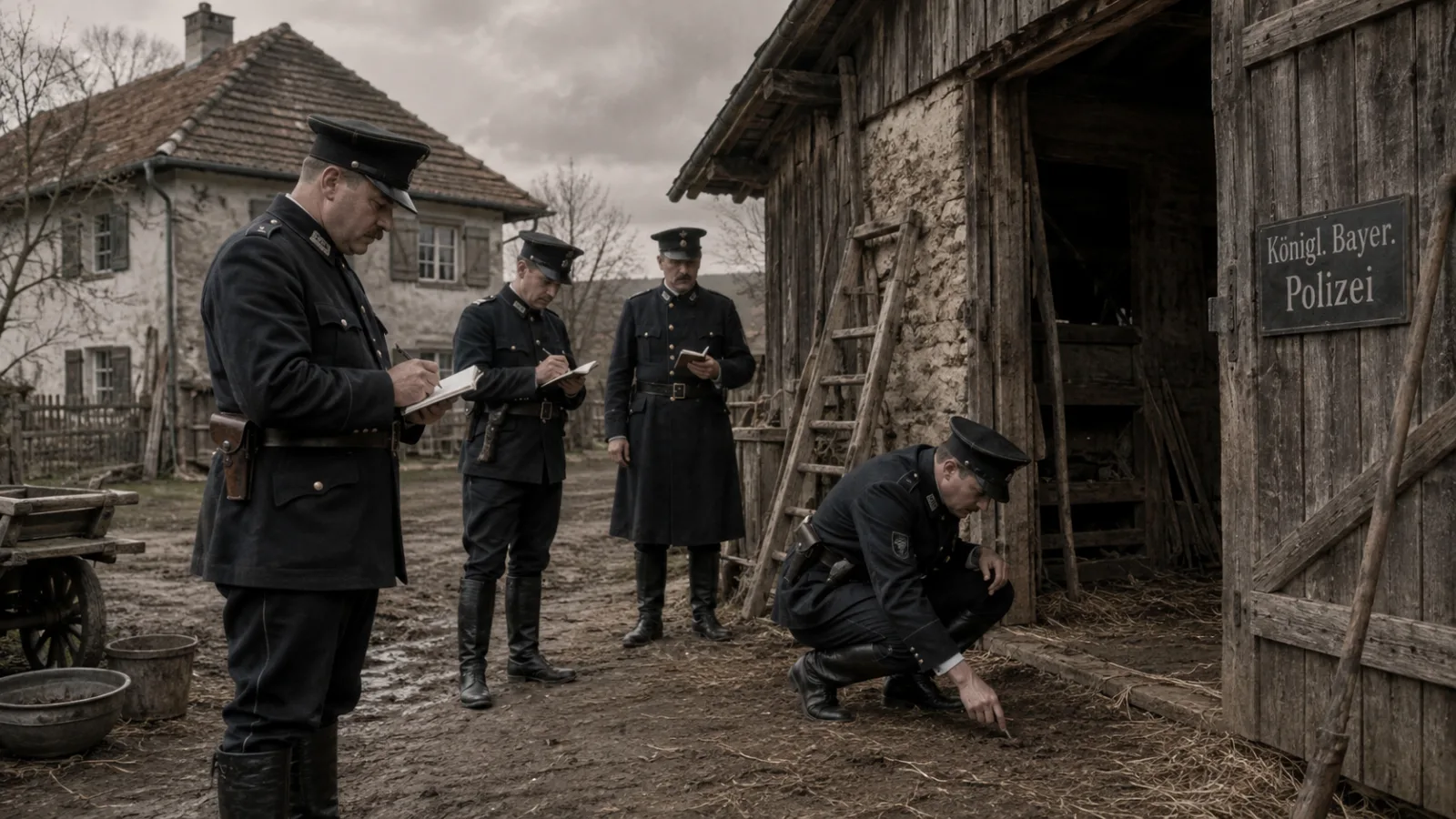
Bavarian police launched an investigation almost immediately, and by the standards of 1922 rural policing, it was surprisingly thorough. Investigators exhumed the bodies in 1923 for further examination, an unusual step for the time, hoping new forensic techniques might reveal something the initial investigation had missed. The heads of several victims were reportedly kept for study, a detail that, however clinical its intent, adds to the case's grim texture.
Despite this effort, no murder weapon beyond the mattock found on-site was ever definitively tied to a suspect, and no forensic evidence of the era was able to identify who had wielded it. Investigators questioned more than a hundred people.
The Suspects
Suspicion fell at various points on a range of individuals. Neighbors mentioned a man who had allegedly been asking about Viktoria before the murders, a possible rejected suitor or someone with a grievance against the family. Local rumor also pointed toward the family of Viktoria's late husband, Karl Gabriel, given the tension over the paternity of her children. Karl had reportedly died on a First World War battlefield years earlier, but some unfounded accounts floated the unsettling idea that he might have somehow returned, unrecognized, and committed the murders himself. This theory is generally regarded by historians as folklore rather than serious possibility.
Perhaps the most persistent and, to investigators, most plausible theory over the decades has centered on Lorenz Schlittenbauer, a neighboring farmer. Schlittenbauer was, by some accounts, the biological father of Viktoria's son Josef, which would have given him a personal and financial connection to the family's private turmoil. He was among the group that discovered the bodies, and some observers at the time noted that his behavior at the scene struck them as strange, though nothing conclusive ever emerged. He was investigated multiple times over the following decades, arrested, and questioned again as new theories surfaced, but never charged. He denied any involvement until his death.
Beyond named suspects, broader theories have circulated for a century. Some believe the murders were committed by a drifter or itinerant laborer who may have been hiding on the property, perhaps even living unnoticed in the attic in the days before the killings, which would help explain the reported footsteps. Under this theory, the murders may have escalated from an attempted robbery, or from the intruder being discovered.
Others point to the family's own tensions—the suspected incestuous relationship between Andreas Gruber and his daughter, the disputed paternity of young Josef, and long-standing local resentments—as evidence that the killer may have been someone known to the family, with a deeply personal motive rather than a stranger's opportunism.
The Details That Resist Explanation
What makes Hinterkaifeck endure isn't simply that the case went unsolved. Many old murders go unsolved. It's the details that resist easy explanation.
Why did the killer, having committed six murders, remain on the property for days afterward, feeding livestock and cooking meals, rather than fleeing the scene? Some investigators have theorized this suggests intimate familiarity with the farm and its routines, someone who needed to maintain the appearance of normal life to delay discovery and buy time to establish an alibi elsewhere. Others see it as a sign of psychological disturbance, a killer unable to simply walk away.
What explains the footsteps in the attic, and the tracks in the snow leading only toward the house? If someone was living in the farm's attic in the weeks before the murders, watching the family, it would explain a great deal, but it raises the unsettling question of how long this person observed them, undetected, before finally acting.
And why has no piece of physical evidence, in over a hundred years, definitively named a killer? Modern forensic science has occasionally revisited the case, and investigators and true crime researchers have explored whether DNA techniques might extract new information from surviving physical evidence connected to it. As of now, no conclusive genetic identification has been publicly confirmed, and much of the original case material has been lost or degraded over the intervening century, further limiting what modern forensics can offer.
What Remains Today
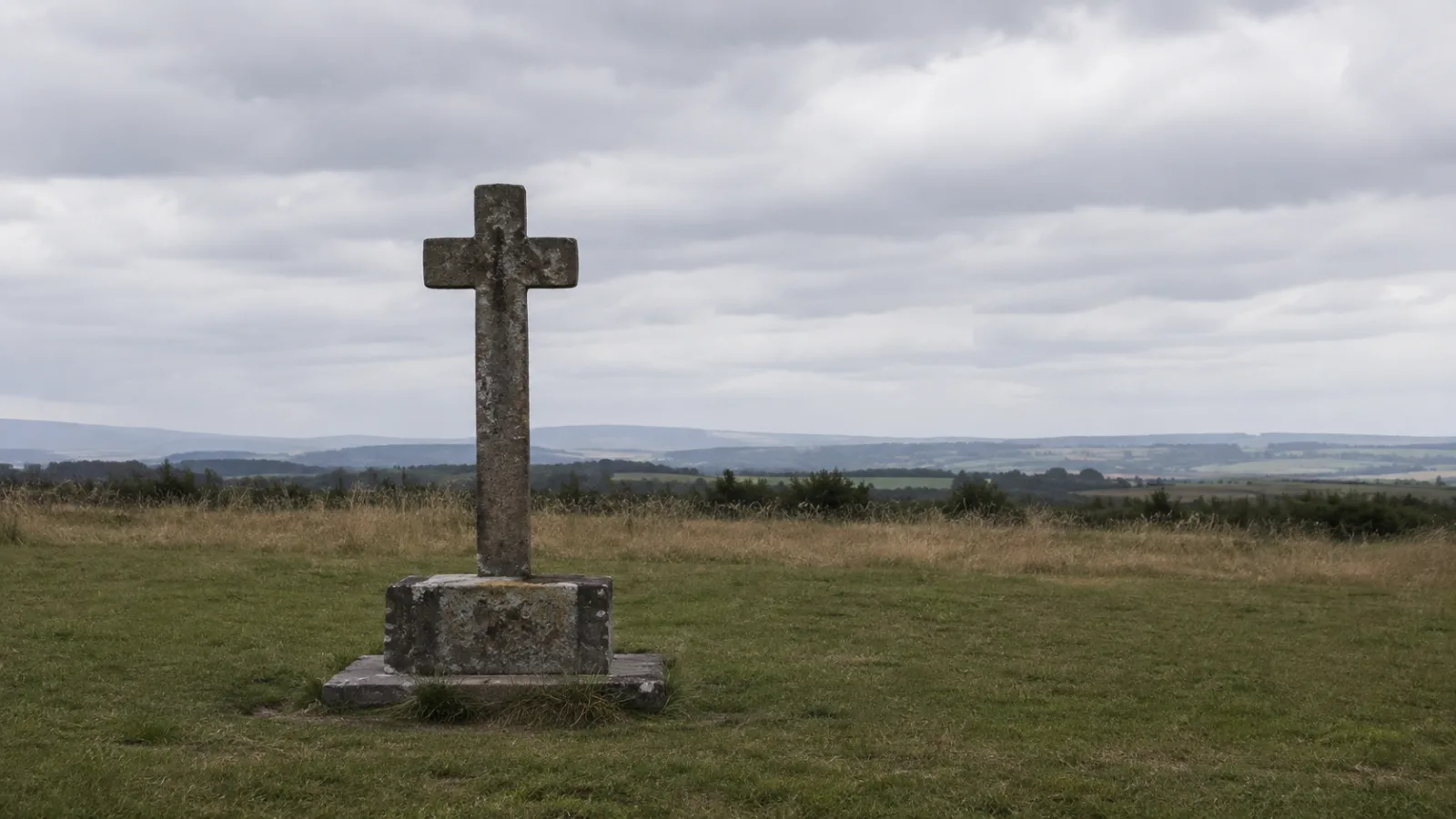
The farmhouse itself was demolished in 1923, torn down not long after the murders, reportedly overwhelmed by morbid visitors and unable to be sold or lived in again. A memorial cross stands near the site today, marking where the farm once stood—a quiet marker for a crime that was anything but quiet in its horror.
More than a hundred years later, Hinterkaifeck remains open. No one was ever convicted. No confession was ever recorded. The suspects have long since died, taking whatever they knew, or didn't know, with them.
What we're left with is a set of facts almost too strange to be fiction: a family stalked for weeks before their deaths, a killer who lingered in the house of the dead rather than disappearing into the night, and a mattock, wiped clean, hidden in a barn, that never gave up its secret.
The story of Hinterkaifeck endures not because it's the bloodiest crime in history, or the most elaborate. It endures because of the questions it refuses to answer. Who watched this family from the shadows of their own attic? Why did they stay? And where, if anywhere, did they go?